
Agriculture Updates And Farming Trends
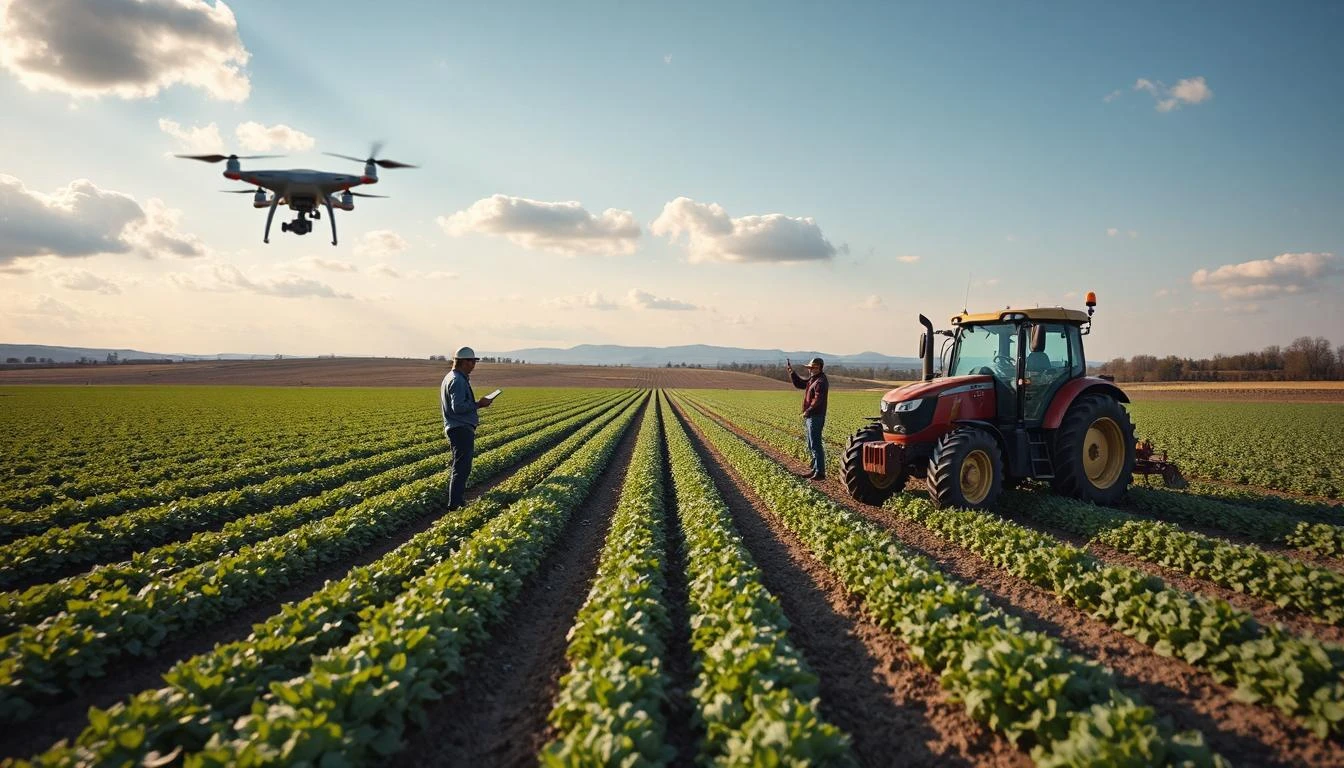
Agriculture is changing faster than many people realize. Behind every meal on the table lies a complex network of farmers, technology providers, supply chains, and global markets working together to meet the demands of a growing population. As innovation continues to reshape the industry, understanding the latest developments becomes increasingly important for businesses, consumers, and policymakers alike.
Today, agricultural update technology is transforming how food is produced, monitored, and distributed across the world. From artificial intelligence and precision farming to automated machinery and advanced data analytics, modern agriculture is entering a new era where efficiency, productivity, and sustainability are becoming more interconnected than ever before.
The Importance Of Agriculture In Modern Economy
Agriculture remains one of the foundations of economic growth and social stability. While many industries have evolved significantly over the decades, farming continues to provide the resources necessary for food security, employment, trade, and industrial development. Understanding its role helps explain why agriculture remains a strategic sector in both developed and emerging economies.
Modern agricultural development increasingly depends on sustainable agriculture practices, which help farmers balance productivity with environmental responsibility. As global food demand rises, these methods are becoming essential for maintaining long-term agricultural success.
Supporting Food Production And Supply Chains
Food production begins on farms but extends far beyond them. Every harvested crop enters a vast supply network involving transportation, storage facilities, distributors, retailers, and consumers. Without efficient agricultural systems, these supply chains would struggle to meet global demand.
Technological advancements such as precision agriculture, smart irrigation systems, and real-time crop monitoring have strengthened food production capabilities. These innovations help farmers maximize yields while reducing waste, ensuring more reliable food availability throughout the year.
Impact Of Agriculture On Global Markets
Agriculture plays a significant role in international trade and economic performance. Major agricultural commodities influence global pricing, export revenues, and investment decisions across multiple industries.
Fluctuations in crop production often affect food costs worldwide. When harvests increase, markets generally stabilize. However, adverse weather conditions, supply disruptions, or geopolitical challenges can create ripple effects throughout global economies. This close relationship between agriculture and commerce demonstrates why farming remains a critical driver of marketplace activity.
Role Of Farming In Sustainable Development
Sustainable development cannot be separated from agriculture. Farming provides livelihoods for millions while also influencing environmental health, resource conservation, and rural development.
Agricultural systems that prioritize soil health, biodiversity protection, and efficient water management contribute significantly to long-term sustainability goals. As former United Nations Secretary-General Kofi Annan once emphasized, agriculture is not merely a way of life but a vital pathway toward reducing poverty and promoting economic growth in developing regions.
Current Trends In Modern Agriculture
The agricultural sector is experiencing rapid transformation as technology and sustainability initiatives continue gaining momentum. Farmers are increasingly adopting innovative solutions that improve productivity while addressing environmental concerns.
These changes are not simply trends; they represent a fundamental shift in how food production will operate in the coming decades. Businesses, investors, and consumers are paying closer attention because the future of agriculture will influence multiple industries worldwide.
Smart Farming And Agricultural Technology
Smart farming has become one of the most influential developments in modern agriculture. Technologies such as artificial intelligence, drones, satellite imagery, and Internet of Things (IoT) sensors provide farmers with unprecedented access to real-time field data.
This information allows producers to monitor crop health, detect pest outbreaks, optimize irrigation schedules, and improve decision-making processes. As a result, farms can operate more efficiently while reducing unnecessary resource consumption.
Sustainable And Eco Friendly Farming Methods
Environmental awareness has accelerated the adoption of eco-friendly farming practices around the world. Farmers are increasingly implementing regenerative agriculture techniques, cover cropping systems, and integrated pest management strategies.
These approaches not only reduce environmental impact but also improve long-term soil fertility and farm resilience. Consumers are also showing greater interest in sustainably produced food, encouraging agricultural businesses to invest in greener production methods.
Digital Tools Improving Crop Management
Digital platforms are revolutionizing crop management by providing actionable insights throughout the growing season. Farmers can now access cloud-based software, predictive analytics tools, and remote monitoring systems directly from mobile devices.
Popular innovations include precision crop management software, AI-powered disease detection systems, and farm management applications that help improve productivity while minimizing operational risks. These tools continue to reshape agricultural decision-making on a global scale.
Norman Borlaug, widely known as the father of the Green Revolution, once stated that "food is the moral right of all who are born into this world." His perspective remains highly relevant today as technology helps agricultural systems produce more food for a growing population.
Challenges Facing The Agriculture Industry
Despite remarkable innovation, agriculture still faces significant challenges that affect productivity, profitability, and long-term sustainability. Understanding these obstacles is essential for identifying effective solutions and preparing for future changes.
As agricultural systems become more advanced, farmers must balance innovation with practical realities, including environmental pressures, economic uncertainty, and increasing consumer expectations.
Climate Change Affecting Crop Production
Climate change continues to create uncertainty for farmers across the globe. Rising temperatures, shifting rainfall patterns, prolonged droughts, and extreme weather events can significantly impact crop yields and production stability.
To adapt, many agricultural producers are investing in climate-smart agriculture strategies, resilient crop varieties, and advanced forecasting technologies designed to reduce weather-related risks.
Rising Operational Costs For Farmers
Operational expenses remain a major concern throughout the agricultural industry. Costs associated with fuel, labor, fertilizer, equipment maintenance, and transportation continue to rise in many regions.
As a result, farmers are increasingly turning to automation and efficiency-focused technologies to maintain profitability while controlling expenses. These investments often provide long-term benefits despite higher initial costs.
Managing Global Food Demand And Distribution
The world's growing population places increasing pressure on agricultural production systems. Meeting future food demand requires not only greater productivity but also more efficient distribution networks and reduced food waste.
Governments, agricultural organizations, and private-sector stakeholders continue working together to improve logistics, storage infrastructure, and supply chain resilience. These efforts are essential for ensuring that food reaches communities where it is needed most.
Explore The Future Of Agriculture And Farming Trends
The future of agriculture will likely be shaped by a combination of innovation, sustainability, and data-driven decision-making. Technologies that once seemed experimental are quickly becoming standard tools across farms of all sizes.
Artificial intelligence, autonomous machinery, robotics, predictive analytics, precision agriculture systems, and digital farming ecosystems are expected to play increasingly important roles in food production. At the same time, consumers are demanding greater transparency regarding how food is grown, processed, and distributed.
As agriculture continues evolving, the opportunities ahead are substantial. The farms that successfully integrate technology with sustainable practices will likely become leaders in the next generation of food production. If you want to stay ahead of emerging trends that influence economies, markets, and everyday life, agriculture is one industry worth watching closely.